
Wegovy, Ozempic, Mounjaro, Retatrutide and Generic Semaglutide Explained
Medically reviewed by Dr Rishi Singhal, Consultant Bariatric and Upper GI Surgeon
Last updated: July 2026
Medicines that act on the GLP-1 pathway have transformed the medical treatment of obesity and type 2 diabetes. In India, patients may now encounter several different names—including Wegovy, Ozempic, Mounjaro and multiple generic semaglutide brands.
Although these medicines are often grouped together as “GLP-1 injections,” they are not identical:
These medicines are powerful prescription treatments. They should not be bought online, shared between patients or used without medical supervision.
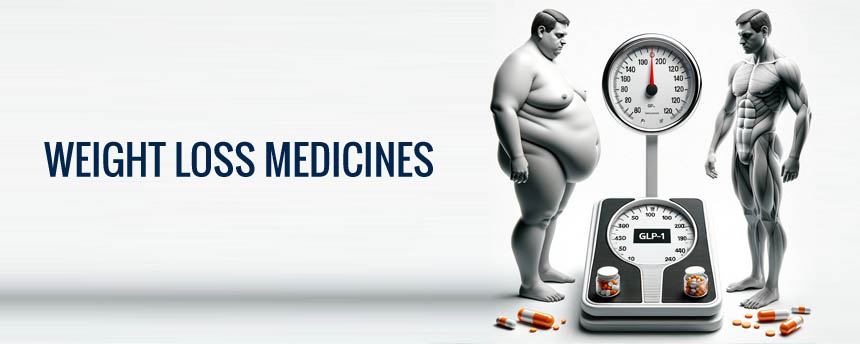
GLP-1, or glucagon-like peptide-1, is a naturally occurring hormone released by the intestine after eating. It helps to:
GLP-1 medicines imitate some of these effects but remain active for much longer than the natural hormone.
They do not simply “burn fat.” Most of the weight reduction occurs because patients feel less hungry, become full sooner and usually consume fewer calories.
What is semaglutide?
Semaglutide is a once-weekly GLP-1 receptor agonist developed by Novo Nordisk. It is sold under different brand names for different medical indications.
Wegovy
Wegovy is the semaglutide product developed and licensed specifically for chronic weight management.
Wegovy was launched in India in June 2025. It is supplied in progressively increasing weekly doses, with the maintenance obesity dose generally reaching 2.4 mg once weekly when tolerated.
It may be considered for adults with:
may differ.
Using Ozempic solely for weight loss may be off-label depending on the local product authorisation and the clinical circumstances. Patients should not switch between Ozempic, Wegovy or a generic product by matching the number of “clicks” on a pen.
How much weight can be lost with semaglutide?
In major clinical trials, semaglutide 2.4 mg combined with lifestyle intervention produced average weight loss of approximately 15% of starting body weight over about 68 weeks.
This is an average rather than a guarantee. Some patients lose considerably more, while others lose little weight or stop treatment because of side effects.
The full response also depends on:
Cardiovascular benefits
In selected adults with established cardiovascular disease and overweight or obesity, semaglutide has also been shown to reduce major cardiovascular events. This is an important advance because obesity treatment is not merely cosmetic—it can alter long-term health risk.
What is Mounjaro?
Mounjaro contains tirzepatide, a medicine that activates two hormone receptors:
It is therefore described as a dual GIP/GLP-1 receptor agonist.
Mounjaro was launched in India in March 2025 following CDSCO authorisation for type 2 diabetes and chronic weight management. It became the first dual GIP/GLP-1 medicine available in the country.
How is Mounjaro taken?
Mounjaro is injected once weekly. Treatment normally begins at a low dose and is increased gradually to improve tolerability.
The highest dose is not automatically the best dose. A patient may obtain a good response at a lower dose, and escalation should be based on:
How much weight can be lost with tirzepatide?
In obesity trials, tirzepatide produced average weight reduction of approximately 15% to more than 20%, depending on the dose, treatment duration and patient population.
Direct comparisons should be interpreted carefully because results from separate trials are not the same as a head-to-head comparison. Nevertheless, tirzepatide has generally produced greater average weight loss than earlier GLP-1 medicines.
Is Mounjaro the same as Zepbound?
Both contain tirzepatide. In some countries, Mounjaro is the diabetes brand and Zepbound is the obesity brand. Brand names and authorised indications vary by country.
Indian patients should follow the Indian product information and the prescription issued by their treating clinician rather than instructions copied from overseas websites.
What is retatrutide?
Retatrutide is an investigational once-weekly medicine developed by Eli Lilly. It activates three receptors:
For this reason, it is sometimes called a triple-hormone receptor agonist or “triple G” medicine.
How effective is retatrutide?
In the earlier phase 2 obesity trial, retatrutide produced dose-dependent weight reduction approaching one-quarter of starting body weight at 48 weeks.
In May 2026, Lilly announced topline results from the pivotal phase 3 TRIUMPH-1 trial. Participants receiving the 12 mg dose lost an average of 28.3% of body weight over 80 weeks, and 45.3% lost at least 30% of their starting weight. These results are highly promising, but full peer-reviewed publication and regulatory evaluation remain important.
Is retatrutide available in India?
No. Retatrutide is not currently approved for routine prescribing or commercial sale in India.
It remains an investigational medicine legally available through authorised clinical trials only. Products advertised online as “research retatrutide,” “retatrutide peptide” or “compounded retatrutide” should not be assumed to be genuine, sterile, correctly dosed or safe.
Patients should not inject any unlicensed retatrutide product purchased through social media, bodybuilding websites, overseas sellers or informal clinics.
| Medicine | Active drug | Receptors | Principal role | India status |
| Wegovy | Semaglutide | GLP-1 | Chronic weight management | Available by prescription |
| Ozempic | Semaglutide | GLP-1 | Type 2 diabetes | Available by prescription |
| Mounjaro | Tirzepatide | GIP and GLP-1 | Type 2 diabetes and weight management | Available by prescription |
| Retatrutide | Retatrutide | GIP, GLP-1 and glucagon | Investigational obesity and metabolic treatment | Not approved for routine use |
Patients should not combine these medicines or move from one product to another without a formal treatment plan.
For patients who prefer tablets to injections, oral GLP-1 medicines are becoming an increasingly important part of obesity and diabetes treatment.
Rybelsus contains oral semaglutide and is already established in India for the treatment of type 2 diabetes. It uses the same GLP-1 molecule as Ozempic and Wegovy, but it is not the obesity-dose formulation and should not simply be considered “Wegovy in tablet form.”
Wegovy Pill is a newer, higher-dose oral semaglutide formulation developed specifically for weight management. It has now been approved in the United States and provides a needle-free alternative to injectable Wegovy. Like Rybelsus, oral semaglutide has specific administration requirements and should usually be taken on an empty stomach with a limited amount of water before food or other medicines.
Fondayo (orforglipron) represents a different generation of oral GLP-1 therapy. Unlike semaglutide, it is a small-molecule, non-peptide GLP-1 receptor agonist, meaning it can be taken as a conventional once-daily tablet without the fasting and water restrictions associated with oral semaglutide. It received US approval in 2026 and may substantially broaden the use of GLP-1 treatment among patients who do not want injections.
Treatment may be considered for appropriately selected adults with obesity or overweight, particularly when excess weight is associated with:
The medicine should form part of a structured obesity programme rather than being prescribed as an isolated injection.
A proper programme includes:
The most frequent side effects are gastrointestinal and are usually most noticeable after starting treatment or increasing the dose.
They include:
These effects are not always minor. Persistent vomiting or an inability to eat and drink can cause:
Slower dose escalation, smaller meals and avoiding heavy or high-fat meals can improve tolerability, but persistent symptoms require medical review.
Pancreatitis
Acute pancreatitis has been reported with GLP-1 receptor agonists, including semaglutide and tirzepatide. Product information advises stopping the medicine and obtaining urgent medical assessment when pancreatitis is suspected.
Seek urgent help for:
Pancreatitis is uncommon, and observational studies have not established that every GLP-1 medicine substantially increases the overall population risk. Nevertheless, it remains a recognised clinical warning and should never be dismissed as ordinary nausea.
A previous history of pancreatitis requires individual specialist assessment.
Gallstones and gallbladder disease
Weight loss itself increases the risk of gallstone formation, particularly when weight is lost rapidly. GLP-1-based treatments have also been associated with gallbladder events.
Delayed gastric emptying and gastroparesis
GLP-1 and GIP/GLP-1 medicines slow gastric emptying. This contributes to fullness and appetite suppression but may aggravate significant gastric-motility disorders.
Wegovy is not recommended for patients with severe gastroparesis.
Possible symptoms include:
Not every episode of nausea represents gastroparesis. The diagnosis requires clinical assessment and, in selected cases, specialist testing.
Anaesthesia, endoscopy and surgery
Because these medicines can delay gastric emptying, food may remain in the stomach despite routine fasting. This can increase concern about regurgitation or aspiration during anaesthesia or sedation.
Patients must tell their:
that they are taking semaglutide or tirzepatide before any planned procedure.
The decision to continue or temporarily withhold treatment should be individualised. Patients should not stop treatment solely on the basis of social-media instructions.
Diabetic retinopathy
Rapid improvement in blood glucose can sometimes temporarily worsen pre-existing diabetic retinopathy. This phenomenon is not unique to semaglutide.
Patients with diabetes—especially those with established retinopathy, very high HbA1c or a rapid fall in glucose—may require closer eye monitoring.
NAION
NAION stands for non-arteritic anterior ischaemic optic neuropathy. It is a rare condition caused by reduced blood flow to the optic nerve and can lead to sudden, usually painless, loss of vision.
Several observational studies have reported an association between semaglutide use and an increased risk of NAION. A 2024 cohort study found a higher rate among patients prescribed semaglutide, and a subsequent US veterans’ study reported approximately a twofold relative increase compared with an alternative diabetes-drug group. However:
Patients should seek urgent ophthalmic assessment for:
Macular degeneration
The relationship between GLP-1 medicines and age-related macular degeneration is not settled.
Some observational research has suggested a possible increased risk of neovascular or “wet” macular degeneration in older people with diabetes, while other studies have found a lower risk of developing non-exudative or “dry” age-related macular degeneration.
These conflicting findings do not establish macular degeneration as a proven class side effect. They show why:
Patients should not discontinue treatment abruptly merely because they have read about an eye study. The benefits and possible risks should be reviewed with the prescribing clinician and ophthalmologist.
Hair thinning or non-scarring alopecia has been reported by some patients receiving semaglutide or tirzepatide.
In many cases, the likely explanation is telogen effluvium—temporary shedding triggered by:
The medicine may contribute indirectly by causing rapid weight loss or poor nutritional intake. A direct drug effect has not been fully excluded.
Hair loss should prompt assessment of:
Telogen effluvium is generally non-scarring and often improves once weight, nutrition and deficiencies stabilise.
Weight loss includes both fat and lean tissue. Severe restriction, inadequate protein and inactivity can produce disproportionate muscle loss.
This matters because reduced muscle mass can cause:
A safe programme should therefore include:
The goal is not merely a lower number on the weighing scale. It is improved health with maximum preservation of functional muscle.
Clinical review is particularly important in patients with:
When combined with insulin or medicines such as gliclazide or glimepiride, GLP-1-based treatment may increase the risk of hypoglycaemia. Diabetes medicines may need adjustment.
Weight loss and improved insulin resistance may improve menstrual regularity and ovulation in some women with obesity or polycystic ovary syndrome. This can increase the possibility of an unplanned pregnancy.
These medicines are not fertility treatments, and they should not be used during pregnancy.
Women who may become pregnant should discuss:
Patients should not rely on weight-loss injections as contraception. Vomiting or severe diarrhoea may also affect the reliability of oral medicines.
Obesity is a chronic, relapsing disease. Appetite commonly increases after GLP-1 treatment is withdrawn, and a substantial proportion of lost weight may return.
This does not mean the medicine has “failed.” Similar recurrence occurs when treatment for hypertension, diabetes or high cholesterol is withdrawn.
Before starting, patients should understand that treatment may require:
Stopping because the target weight has been reached, without a maintenance strategy, frequently leads to weight regain.
What does “generic semaglutide” mean?
A generic semaglutide product contains semaglutide as its active pharmaceutical ingredient but is made and marketed by a company other than Novo Nordisk.
The principal Indian semaglutide patent expired in March 2026, leading to the launch of several Indian products at substantially lower prices.
However, “generic” does not mean that every product is identical in every practical respect.
Products may differ in:
Are generic injections the same as Wegovy or Ozempic?
The active molecule may be semaglutide, but a generic product approved only for type 2 diabetes should not automatically be described as a generic Wegovy obesity treatment.
Patients and clinicians must verify:
Indian companies currently marketing or co-marketing semaglutide
The Indian market is changing rapidly. As of July 2026, publicly verified companies and brands include:
| Company | Reported semaglutide brands | Reported indication or format |
| Novo Nordisk | Wegovy, Ozempic, Rybelsus | Innovator semaglutide products |
| Sun Pharmaceutical Industries | Noveltreat, Sematrinity | Weight management and type 2 diabetes |
| Dr Reddy’s Laboratories | Obeda | Type 2 diabetes; disposable pen |
| Zydus Lifesciences | Semaglyn, Mashema, Alterme | Diabetes and obesity; reusable pen |
| Lupin, through its arrangement with Zydus | Semanext, Livarise | Co-marketed semaglutide |
| Alkem Laboratories | Semasize, Obesema, Hepaglide | Diabetes and chronic weight management |
| Glenmark Pharmaceuticals | GLIPIQ | Diabetes; vial and pen presentations |
| Torrent Pharmaceuticals | Sembolic, Semalix | Oral and injectable semaglutide products |
| Eris Lifesciences | Sundae | Multi-dose vial |
| Natco Pharma | Semaglutide products and manufacturing partnership | Manufacturing and marketing arrangements |
The list above reflects publicly confirmed launches and partnerships, not every pending application or announced future brand. More than 40 Indian manufacturers were expected to enter the market, so brand availability may change frequently.
A current supply-quality caution
In July 2026, Dr Reddy’s reported a production disruption after detecting an impurity during testing of semaglutide active ingredient while scaling production. The company stated that previously distributed supplies were unaffected, but further production was delayed. Torrent, which sourced material through Dr Reddy’s, was also affected and initiated a voluntary recall of relevant supplies. This illustrates why patients should obtain these medicines only through regulated pharmacies and should verify the batch and manufacturer when a recall or safety notice is issued.
Because the market is developing quickly, this company table should be reviewed regularly.
Demand for weight-loss injections has produced a growing market in falsified, compounded and illegally imported products.
Warning signs include:
A counterfeit product may contain:
Patients should retain the box, invoice, batch number and photograph of the product used.
There is no single best injection for every patient.
The decision should consider:
Price matters, but it should not be the only criterion. The cheapest product is not good value if:
Medicines and bariatric surgery should not be presented as competing ideologies. They are different treatments for different patients, and they may also be used sequentially.
Medication may be appropriate for:
Bariatric or metabolic surgery may be more appropriate when:
Surgery generally produces greater and more durable average weight loss than currently approved medication, but it carries procedural and long-term nutritional considerations. Medication avoids an operation but also has side effects, costs and a high likelihood of weight regain after withdrawal.
The correct treatment is the one selected after informed, individual assessment—not the treatment receiving the most publicity.
Patients taking semaglutide or tirzepatide should seek urgent assessment for:
Do not take the next dose until appropriate medical advice has been obtained when a serious adverse reaction is suspected.
Is Ozempic approved specifically for weight loss?
Ozempic is principally a type 2 diabetes product. Wegovy is the semaglutide brand specifically developed for chronic weight management. The appropriate product and indication should be confirmed from current Indian prescribing information.
Is Mounjaro stronger than Wegovy?
Tirzepatide has produced greater average weight loss than semaglutide in several clinical programmes. Individual response and tolerability vary, and the highest average trial result does not determine the best treatment for every patient.
Can I take Mounjaro and Ozempic together?
No. Combining tirzepatide with semaglutide or another GLP-1 receptor agonist is not recommended.
Is retatrutide available from pharmacies in India?
No. Retatrutide remains investigational and is not approved for routine sale. Online “retatrutide” products should be treated as unlicensed and potentially unsafe.
Do these injections permanently cure obesity?
No. They control appetite and improve metabolic health while treatment and behavioural support continue. Weight regain is common after stopping treatment.
Do GLP-1 injections cause permanent gastroparesis?
They delay gastric emptying and may cause significant upper gastrointestinal symptoms. Severe or persistent gastroparesis appears uncommon, but patients with ongoing vomiting, retained food or inability to eat require assessment.
Can semaglutide cause blindness?
A possible association with the rare optic-nerve disorder NAION has been reported, but causation has not been conclusively established and the absolute risk appears low. Sudden visual loss requires emergency eye assessment.
Do these medicines cause macular degeneration?
Evidence is conflicting. Some observational studies suggest an increased risk of wet macular degeneration in selected older diabetic populations, while others suggest a reduced risk of dry macular degeneration. It is not presently established as a straightforward class side effect.
Will my hair grow back after GLP-1-related shedding?
When the cause is telogen effluvium from rapid weight loss or nutritional deficiency, hair growth commonly recovers after nutrition and weight stabilise. Other causes must still be excluded.
Are Indian generic versions safe?
A CDSCO-authorised product obtained through a regulated supply chain can provide a legitimate lower-cost option. Patients should still verify the indication, concentration, manufacturer, device, batch and storage conditions.
At The Obesity Clinic, treatment is selected according to the patient’s:
Our aim is not simply to prescribe an injection. It is to develop a safe, medically supervised and sustainable strategy for obesity.
For appointments: +91 9536229900
Location: The Obesity Clinic, Near Eves Hospital, Hapur Road, Meerut, Uttar Pradesh
This page provides general educational information and does not replace an individual consultation, examination or prescription. Indications, prices, brands, supply arrangements and regulatory authorisations can change. Prescription medicines should be used only under the supervision of an appropriately qualified healthcare professional.
India’s generic semaglutide market expanded rapidly after the relevant patent expiry in March 2026. By July 2026, market reports described approximately 31 competing semaglutide brands, although the number of companies involved, product launches and supply arrangements continues to change.
Companies publicly associated with semaglutide development, regulatory applications, manufacturing, contract manufacturing, marketing or planned commercial entry in India include:
Not All Semaglutide Companies Are the Actual Manufacturer
The presence of a company name on a semaglutide product does not necessarily mean that the company manufactures the active drug substance itself.
A semaglutide product may involve several separate organisations:
The API manufacturer, finished-product manufacturer and company marketing the brand may therefore be entirely different entities. Patients and prescribers should examine the product packaging for the wording:
This distinction became particularly important in July 2026, when an active-ingredient quality issue identified by Dr Reddy’s disrupted its own semaglutide production and led Torrent Pharmaceuticals to recall selected batches of Semalix pens manufactured through that supply arrangement.
The arrival of many lower-cost semaglutide products can improve access to obesity and diabetes treatment. However, rapid market expansion also creates important questions about quality assurance, traceability, adverse-event reporting and accountability.
Who Is Accountable When an Adverse Event Occurs?
When a patient develops pancreatitis, severe vomiting, gastroparesis, visual loss, an allergic reaction or another suspected adverse event, responsibility cannot automatically be attributed to one party.
Several organisations may have different responsibilities.
The prescribing clinician
The clinician is responsible for:
The prescriber does not normally control the manufacture of the active ingredient, the filling process or batch-release testing.
The dispensing pharmacy or seller
The pharmacy or authorised seller is responsible for:
Products sold informally through social media, WhatsApp sellers, gyms or unregulated clinics may have little or no reliable traceability.
The brand owner or marketing company
The company marketing the product is responsible for ensuring that its medicine complies with the approved specification and for operating an appropriate pharmacovigilance system.
It should be able to identify:
The active-ingredient manufacturer
The API manufacturer is responsible for the identity, purity, potency and consistency of the semaglutide active ingredient it supplies.
For peptide medicines such as semaglutide, apparently small variations in synthesis, purification or storage can potentially affect:
The finished-formulation manufacturer
The finished-product manufacturer is responsible for matters including:
The regulator
The Central Drugs Standard Control Organisation and the relevant state licensing authorities oversee approval, manufacturing licences, quality standards, inspections and regulatory action.
India has an established adverse-drug-reaction reporting programme, but the rapid arrival of multiple semaglutide brands makes transparent, brand-specific and batch-specific post-marketing surveillance particularly important.
A medicine may appear to be offered by more than 30 companies while the underlying semaglutide active ingredient comes from only a small number of manufacturers.
This concentration creates several concerns:
For this reason, public disclosure should ideally identify both the API manufacturer and the finished-product manufacturer, rather than only the marketing company.
The statement that there are precisely “three API manufacturers” should be published only when supported by a current regulator-issued or independently verified source. The number may change as additional manufacturers obtain approvals or companies alter their supply arrangements.
Before choosing an Indian semaglutide product, the following should be confirmed:
Patients should keep the original carton, prescription, pharmacy invoice, batch number and photographs of the product. This information may be essential if an adverse event or recall occurs.
The principal concern is not that generic medicines are inherently inferior. High-quality generics can improve access and reduce treatment costs substantially.
The concern is that patients may see dozens of brand names without being able to identify:
India requires stronger and more transparent post-marketing surveillance for this rapidly expanding category. Ideally, suspected adverse events should be searchable by:
This would allow regulators and clinicians to distinguish a true semaglutide class effect from a product-quality, manufacturing, storage or device-related problem.
let's speak, meet and discuss over the table.