
Advanced Robotic Surgery | Gallbladder Surgery | Hernia Repair | Complex Abdominal Wall Reconstruction
International Surgical Expertise. Advanced Technology. Personalised Care.
The future of surgery is here.
At The Obesity Clinic, we believe that advances in surgical technology should translate into better care for patients.
Robotic-assisted surgery represents an important development in minimally invasive surgery, combining the experience and judgement of a skilled surgeon with sophisticated technology designed to enhance precision, vision and control.
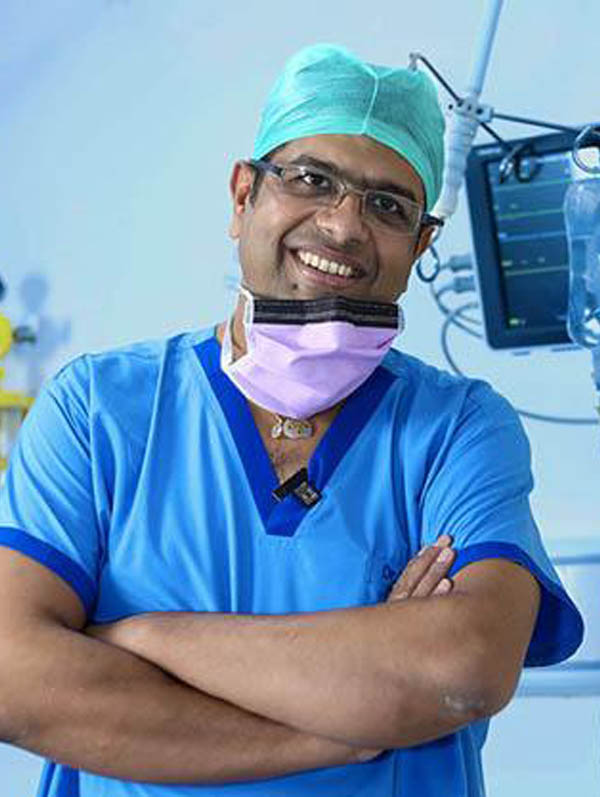
Under the leadership of Dr Rishi Singhal, internationally experienced Consultant Bariatric, Upper GI and Advanced Laparoscopic Surgeon, our approach brings together over two decades of surgical experience across India and the United Kingdom with modern techniques in minimally invasive surgery.
Our areas of expertise include gallbladder surgery, inguinal hernia repair, abdominal hernias, recurrent hernias and complex abdominal wall reconstruction.

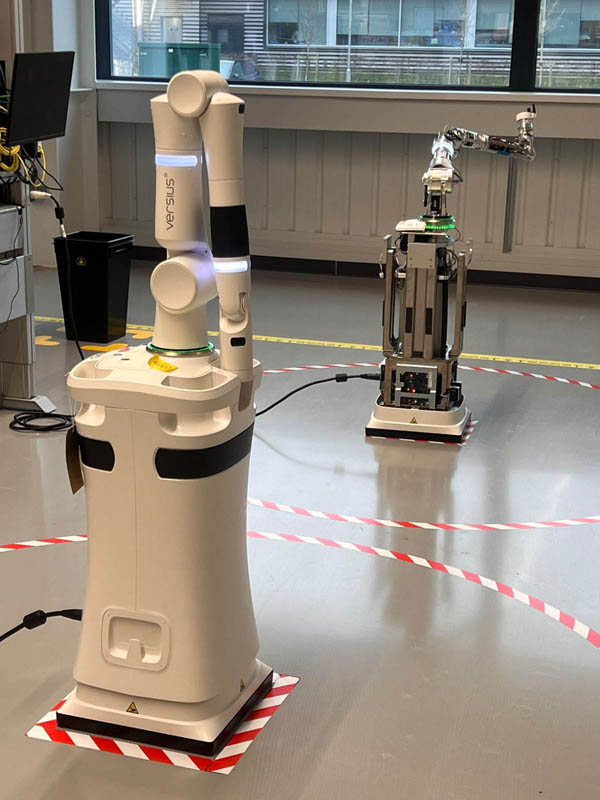
Precision Meets Surgical Experience
The future of surgery is here.
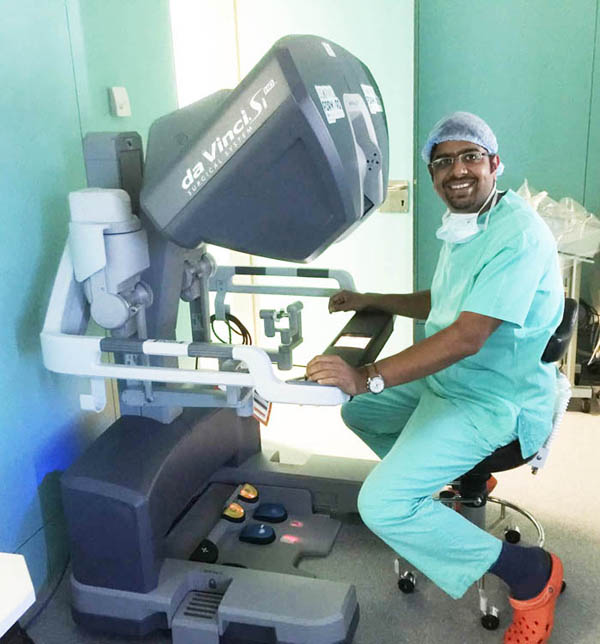
Robotic-assisted surgery is an advanced form of keyhole surgery in which the surgeon controls sophisticated robotic instruments through small incisions.
Unlike traditional open surgery, which may require a large incision, robotic surgery allows selected operations to be performed through smaller openings.
The robotic system provides the surgeon with:
Importantly, the robot does not perform the operation independently. Every surgical movement is controlled by the surgeon.
Robotic technology enhances the surgeon's capabilities; it does not replace surgical skill, experience or judgement.
Small Incisions. Advanced Precision. Better Surgical Access.
Robotic-assisted surgery offers several potential advantages for appropriately selected patients.
1. Enhanced Surgical Precision
The robotic instruments can perform delicate, controlled movements, particularly valuable during complex dissection, suturing and reconstruction.
2. Enhanced 3D Visualisation
Magnified, high-definition, three-dimensional vision allows the surgeon to identify important anatomical structures more clearly.
3. Smaller Incisions
Compared with conventional open surgery, minimally invasive robotic procedures generally require smaller incisions, which may reduce wound-related discomfort and scarring.
4. Potentially Faster Recovery
For suitable procedures, patients may experience shorter hospital stays and an earlier return to daily activities compared with open surgery.
5. Greater Flexibility in Complex Surgery
Articulating instruments can make certain technically demanding operations easier to perform through a minimally invasive approach.
6. Advanced Suturing and Reconstruction
Robotic systems can be particularly useful when extensive suturing, tissue reconstruction or precise mesh placement is required.
The benefits depend on the operation, the patient's medical condition and the surgeon's expertise. Robotic surgery is not necessarily superior to conventional laparoscopy for every procedure.
Made in India. Designed for Advanced Surgical Care.
The SSI Mantra surgical robotic system, developed by SS Innovations, represents an important milestone in India's development of advanced surgical technology.
Designed to make sophisticated robotic-assisted procedures more accessible, the system combines advanced visualisation with robotic instrument control.
Features of the SSI Mantra 3 include:
The SSI Mantra platform has applications across multiple surgical specialties, including general surgery, gastrointestinal surgery and hernia repair.
At The Obesity Clinic, we support the advancement of evidence-based surgical technology and its responsible integration into modern surgical practice.

Advanced Keyhole Surgery for Gallstones and Gallbladder Disease
Gallstones are a common cause of abdominal pain, particularly after meals. Some patients experience recurrent attacks of pain, inflammation or complications related to gallstone disease.
Surgical removal of the gallbladder, known as a cholecystectomy, is the established treatment for symptomatic gallstones and several other gallbladder conditions.
Robotic-assisted cholecystectomy allows the surgeon to remove the gallbladder using precision instruments controlled through small incisions.
Potential advantages include enhanced visualisation, controlled dissection and access to advanced minimally invasive instrumentation.
When Might Gallbladder Surgery Be Required?
Most routine gallbladder operations can be performed safely and effectively by conventional laparoscopic surgery. A robotic approach may be considered where appropriate after individual assessment.
Modern Solutions for Groin and Abdominal Hernias
A hernia occurs when tissue, often fat or part of the intestine, protrudes through a weakness in the abdominal wall.
Hernias may cause swelling, discomfort, pain or restriction of daily activities. Some can develop serious complications, including bowel obstruction or strangulation.
Robotic-assisted hernia repair provides an additional minimally invasive surgical option for selected patients.
Types of Hernias We Assess
The choice between open, laparoscopic and robotic surgery is based on the location, size and complexity of the hernia, previous operations and the patient's overall health.
Advanced Solutions for Difficult and Recurrent Hernias
Not all hernias are straightforward.
Large abdominal wall defects, recurrent hernias and hernias following multiple previous operations can present significant surgical challenges.
In complex cases, simply closing the hernia defect may not be sufficient. The abdominal wall may need to be carefully reconstructed to restore its strength and function.
Abdominal wall reconstruction is a specialised approach designed to repair complex defects, restore the abdominal wall anatomy and achieve a durable repair.
Depending on individual anatomy and previous surgical history, advanced techniques may include:
Robotic technology may allow selected complex reconstructions to be performed through smaller incisions, with enhanced suturing capability and precise anatomical dissection.
However, some very large or complex defects are better treated using open or hybrid surgical techniques.
Our philosophy is to choose the operation that offers the best outcome for the patient, rather than choosing technology for its own sake.
Over Two Decades of Surgical Experience in India and the United Kingdom
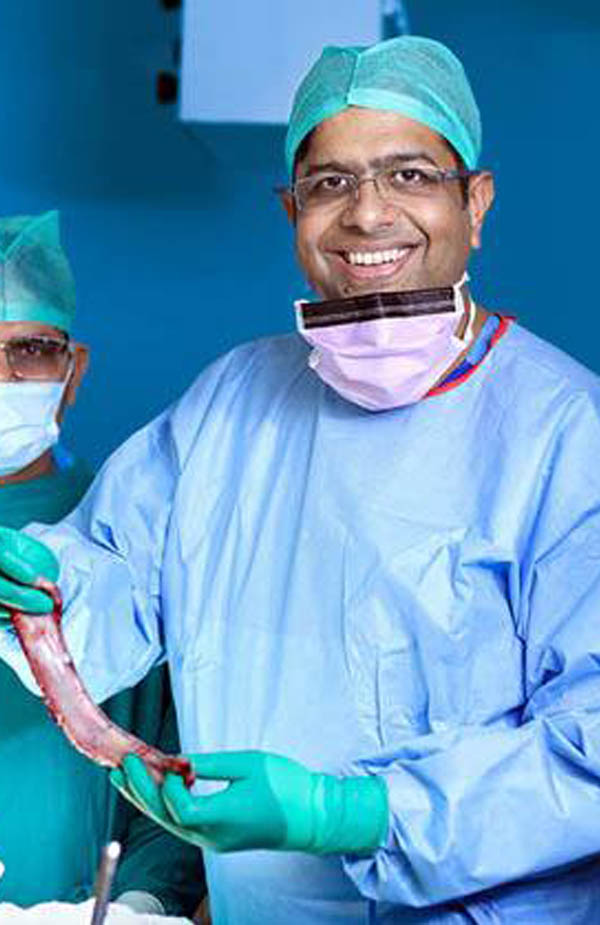
Dr Rishi Singhal is an internationally experienced Consultant Bariatric and Upper Gastrointestinal Surgeon with more than 20 years of surgical experience.
He has worked extensively in the United Kingdom and India, treating patients with a wide range of gastrointestinal, metabolic and complex surgical conditions.
His professional background includes:
His surgical work has also been featured on British television, including the BBC and Channel 4.
Dr Singhal continues to engage with developments in robotic-assisted surgery and international surgical innovation, combining established surgical principles with evolving technology.
His approach emphasises sound surgical judgement, careful patient selection, safety and long-term outcomes.
The surgeon performs the entire operation. The robotic system translates the surgeon's hand movements into precise movements of surgical instruments.
Both robotic and laparoscopic surgery are established minimally invasive approaches. Robotic systems provide additional technical capabilities, but whether they improve a patient's outcome depends on the procedure and clinical circumstances.
No. Robotic repair may be appropriate for selected hernias, including some recurrent or complex abdominal wall defects. Other hernias may be better treated laparoscopically or through open surgery.
Recovery varies considerably depending on the hernia, the complexity of surgery, associated medical conditions and the type of reconstruction performed.
Yes, in selected cases. Recurrent hernias require careful evaluation of previous repairs, existing mesh, abdominal wall anatomy and surgical risks.
Robotic surgery provides additional technical capabilities, but conventional laparoscopic gallbladder surgery remains an excellent treatment for most patients. Robotic surgery has not consistently demonstrated better outcomes for uncomplicated cases.
Expert Surgical Advice. Personalised Treatment.
Whether you are experiencing symptoms from gallstones, have been diagnosed with a hernia, or require an opinion regarding a complex or recurrent abdominal wall defect, our team can help you understand your treatment options.
The Obesity Clinic
Near Eves Hospital, Hapur Road, Meerut, Uttar Pradesh
Call: +91 9536229900